
Peter Pan Preschool Alameda for Growing Minds
- alpana wadhwa
- Apr 1
- 6 min read

Updated: Apr 23
Choosing a preschool is rarely just about finding care coverage. For many families, the search for peter pan preschool alameda starts with bigger questions - Will my child feel safe here? Will they be known, encouraged, and prepared for what comes next? Those questions matter because the early years shape far more than a daily routine. They shape confidence, curiosity, and a child’s first relationship with school.
What families want from Peter Pan Preschool Alameda
Parents in Alameda are often balancing two needs at once. They want dependable childcare that fits real family schedules, and they also want an early learning environment that does more than supervise. A strong preschool should support social, emotional, cognitive, and physical development in ways that feel joyful for children and reassuring for adults.
That is where a thoughtfully designed preschool program makes a difference. When children have access to caring teachers, consistent routines, and engaging classrooms, they are more likely to build trust, independence, and readiness for future learning. For parents, that means peace of mind during the day and a clearer sense that their child is growing in meaningful ways.
At Peter Pan Preschool, the goal is not to rush childhood. It is to nurture it well. Play, exploration, creativity, and guided learning all work together to help children develop the skills they need for preschool success and beyond.
A preschool experience built around development
The strongest early childhood programs do not treat all ages the same. Children grow quickly in the first five years, and what supports a younger toddler is different from what benefits a pre-kindergartener preparing for the transition to elementary school.
A development-focused preschool recognizes those differences. Teachers plan experiences that match each stage of growth, helping children move forward with confidence rather than pressure. That includes language development, early math awareness, self-help skills, group participation, and emotional regulation.
For some children, growth is easy to see in academic readiness. They begin recognizing letters, following multi-step directions, and participating in structured learning times. For others, the biggest milestone may be learning to separate comfortably at drop-off, use words to solve conflicts, or join group activities with confidence. Both kinds of progress matter.
That balance is especially important in preschool. Families often ask whether a program is academic enough, but the better question is whether it supports the full child. School readiness is not only about knowing numbers and shapes. It also includes listening, problem-solving, resilience, and the ability to learn with others.
Why play-based learning matters
Play-based learning can sometimes be misunderstood. It does not mean children are left to fill time without purpose. In a high-quality preschool setting, play is one of the most effective ways children learn to think, communicate, and connect.
During imaginative play, children practice language, cooperation, and creativity. During hands-on activities, they build fine motor skills and early reasoning. During outdoor play, they strengthen coordination and confidence while learning how to navigate shared spaces. A well-planned classroom uses play to support real developmental goals.
That approach is often the right fit for young children because it meets them where they are. Preschoolers learn best through doing, repeating, exploring, and interacting. When teachers guide those experiences with care, children stay engaged and develop a positive attitude toward learning.
What to look for in a preschool environment
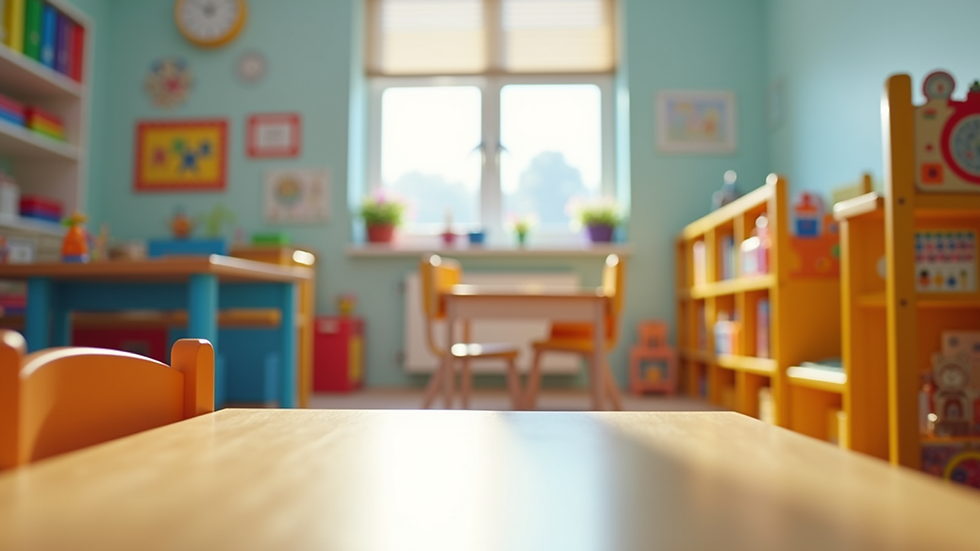
When families visit a school, the environment tells an important story. Clean, thoughtfully arranged spaces help children feel secure and ready to participate. Calm routines, accessible materials, and welcoming classrooms create a sense of order that supports learning.
Just as important is the emotional climate. Children thrive when they are greeted warmly, spoken to respectfully, and guided with consistency. Parents can often sense this quickly. You can hear it in the tone teachers use, see it in how children move through the classroom, and notice it in whether the school feels organized and attentive.
A strong preschool environment should also support communication with families. Parents need clear information about programs, enrollment steps, and what their child is experiencing each day. That transparency builds trust and helps families feel like active partners in their child’s growth.
Peter Pan Preschool Alameda and school readiness
For many local parents, one of the biggest reasons to consider Peter Pan Preschool Alameda is preparation for the next stage of learning. School readiness is a practical concern, but it is also an emotional one. Families want their children to enter kindergarten with skills, yes, but also with confidence.
A preschool program that supports readiness well will introduce structure without becoming rigid. Children learn how to follow routines, participate in group time, express ideas, and complete age-appropriate tasks. Over time, those daily experiences build familiarity with the kinds of expectations they will see in elementary school.
At the same time, readiness should not come at the cost of warmth or curiosity. Young children still need room to ask questions, move their bodies, experiment, and enjoy the process of learning. The best preschool programs manage both needs. They help children build foundational skills while preserving the wonder that makes early learning so powerful.
The value of continuity for growing families
Many families are not looking for a one-year solution. They are looking for a trusted early education partner they can rely on through multiple stages, from infant care to toddler programs, preschool, and pre-kindergarten. That continuity can be especially helpful for parents who want stability, familiar expectations, and a clear developmental path.
It also benefits children. Familiar school culture, consistent care standards, and age-appropriate progression can make transitions easier. Instead of starting over at each stage, children can continue building skills in an environment designed to support growth over time.
This is one reason many parents explore programs connected to a broader early childhood education provider such as Little Seeds Children’s Center. A multi-program approach can offer flexibility while keeping the focus on nurturing care and educational progress.
Questions parents should ask before enrolling
No preschool is right for every family, and that is worth saying plainly. A program may be excellent but still not match a family’s schedule, location needs, or preferred classroom style. That is why the enrollment process should be clear and supportive rather than rushed.
As parents compare options, it helps to ask how the school approaches learning, how classrooms are organized by age, and how teachers support both social-emotional development and academic foundations. Families should also ask practical questions about availability, waitlists, daily routines, and communication.
Those details matter because preschool is part education decision and part family logistics decision. The right fit usually meets both needs. It should feel nurturing for the child and workable for the adults who depend on reliable care.
When a waitlist is worth it
In sought-after preschool communities, waitlists are common. That can feel frustrating, especially for parents working around return-to-work timelines or a child’s upcoming age transition. Still, a waitlist often signals something important - families value the experience enough to plan ahead for it.
If a school offers the kind of care and learning environment you want, joining a waitlist can be a smart step. It keeps your options open and gives you time to gather forms, ask questions, and think carefully about timing. For families who value high-quality early education, patience can be worthwhile.
Choosing with confidence
There is no perfect preschool in the abstract. There is the preschool that feels right for your child’s stage, your family’s priorities, and the kind of start you want your child to have. For many local families considering peter pan preschool alameda, the real priority is not just finding a place for today. It is finding a place where children feel safe, supported, and excited to grow.
That is what early education should offer - dependable care, joyful learning, and a strong foundation for the years ahead. If a preschool can provide those things with warmth, structure, and clear communication, it becomes more than a schedule solution. It becomes an important part of your child’s beginning.
As you weigh your options, trust the questions that keep coming up for you. They usually point toward what matters most for your family, and the right preschool will make those answers feel clearer.
Ready to find the right preschool for your child?
👉 Schedule your personalized tour today


Comments