
Preschool Curriculum Activities for Holistic Learning
- Prashant Wadhwa
- Mar 16
- 4 min read

Updated: Apr 23
Early childhood is a precious time filled with curiosity and discovery. During these formative years, children absorb knowledge and skills that shape their future. A well-rounded preschool curriculum nurtures every aspect of a child's development - intellectual, emotional, social, and physical. I believe that thoughtfully designed activities can create a joyful learning environment where children feel safe to explore and grow. In this post, I will share insights and practical ideas for preschool curriculum activities that support holistic learning.
Understanding Curriculum Activities for Preschools
Curriculum activities for preschools are more than just fun games or crafts. They are carefully planned experiences that promote development across multiple domains. These activities encourage children to think critically, express themselves, build relationships, and develop motor skills. When selecting or designing activities, it is important to consider the child’s age, interests, and developmental stage.
For example, a simple activity like sorting colored blocks can teach children about colors and shapes while also enhancing fine motor skills and problem-solving abilities. Similarly, storytelling sessions foster language development, imagination, and listening skills. The key is to balance structured and unstructured activities, allowing children to learn through guided exploration and free play.
Key Areas of Holistic Learning in Preschool
Holistic learning addresses the whole child, integrating cognitive, emotional, social, and physical growth. Here are the main areas to focus on when planning preschool curriculum activities:
Cognitive Development
Activities that stimulate thinking, memory, and problem-solving are essential. Puzzles, matching games, and simple science experiments encourage curiosity and reasoning. Introducing basic math concepts through counting objects or sorting by size helps build foundational numeracy skills.
Emotional and Social Development
Children learn to recognize and express their feelings, develop empathy, and build friendships. Role-playing, group games, and cooperative tasks teach sharing, turn-taking, and conflict resolution. Reading books about emotions and discussing characters’ feelings also supports emotional intelligence.
Physical Development
Gross motor skills develop through activities like running, jumping, and climbing, while fine motor skills improve with drawing, cutting, and manipulating small objects. Outdoor play and movement-based games are vital for healthy physical growth and coordination.
Language and Communication
Language-rich activities such as singing songs, rhyming games, and storytelling enhance vocabulary and communication skills. Encouraging children to describe their experiences and ask questions nurtures expressive language and confidence.
Creative Expression
Art, music, and imaginative play allow children to express themselves freely. Painting, crafting, dancing, and pretend play stimulate creativity and help children process their experiences in a meaningful way.

Practical Preschool Curriculum Activities for Holistic Learning
Here are some specific activities that can be incorporated into a preschool curriculum to support holistic development:
Sensory Bins
Create bins filled with materials like rice, beans, sand, or water beads. Add small toys or tools for scooping and pouring. Sensory bins engage children’s senses and encourage exploration, fine motor skills, and language development as they describe textures and actions.
Nature Walks
Take children on short walks around the school or nearby park. Encourage them to observe plants, insects, and animals. Collect leaves or stones for sorting and counting back in the classroom. Nature walks promote physical activity, observation skills, and environmental awareness.
Storytelling Circles
Gather children in a circle and read a story aloud. Use puppets or props to make the story interactive. Afterward, invite children to retell the story or create their own endings. This activity enhances listening, comprehension, and narrative skills.
Art and Craft Projects
Offer a variety of materials such as paper, crayons, glue, and recycled items. Encourage children to create freely or follow simple themes like seasons or animals. Art projects develop fine motor skills, creativity, and self-expression.
Music and Movement
Play different types of music and encourage children to move in ways that match the rhythm. Use scarves or instruments like tambourines and shakers. Music and movement activities support coordination, rhythm, and emotional expression.
Cooperative Games
Games like “Pass the Ball” or “Follow the Leader” require children to work together and follow rules. These activities build social skills, patience, and teamwork.
Simple Science Experiments
Conduct easy experiments such as mixing colors, planting seeds, or observing ice melting. These activities spark curiosity and introduce basic scientific concepts.
Incorporating a variety of these activities ensures that children experience learning in multiple ways, catering to their diverse needs and interests.

Creating a Supportive Learning Environment
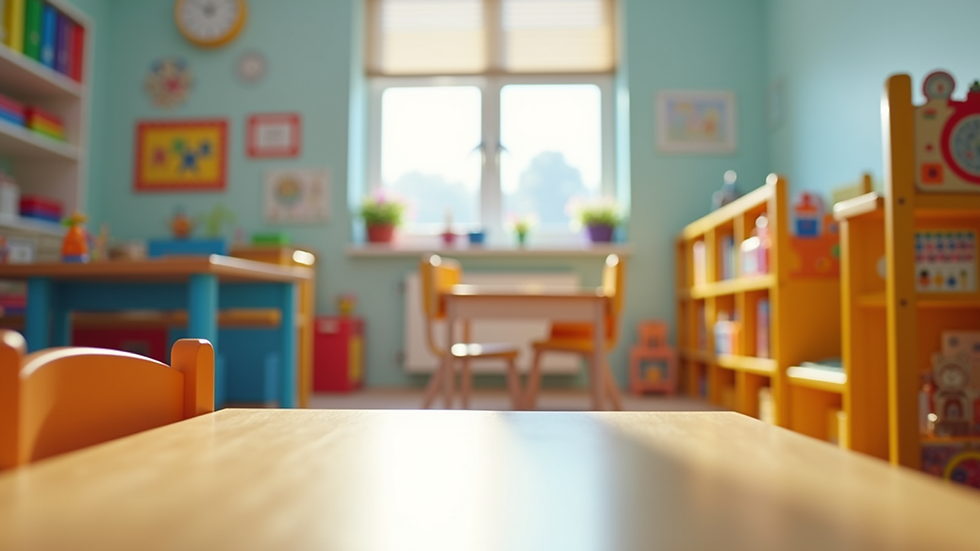
The environment plays a crucial role in how children engage with curriculum activities. A warm, inviting space with accessible materials encourages independence and exploration. Organize learning areas by theme or activity type, such as a reading nook, art corner, or sensory table.
Consistency and routine help children feel secure, while flexibility allows for spontaneous learning moments. Display children’s artwork and celebrate their efforts to build confidence and a sense of belonging.
Teachers and caregivers should observe children’s interests and developmental progress to tailor activities accordingly. Positive reinforcement and gentle guidance foster a love of learning and resilience.
Encouraging Family Involvement
Families are vital partners in a child’s early education. Sharing ideas for simple activities that can be done at home strengthens learning continuity. For example, parents can engage children in cooking to practice measuring and following instructions or explore nature together on weekends.
Regular communication between educators and families helps align goals and celebrate milestones. Inviting families to participate in special events or classroom activities builds community and support.
Nurturing Lifelong Learners
By integrating diverse, meaningful activities into the preschool curriculum, we lay the foundation for confident, curious learners. Children develop not only academic skills but also emotional intelligence, creativity, and social competence. These qualities prepare them well for future schooling and life beyond.
I encourage you to explore and adapt these ideas to create a rich, joyful learning experience. For more inspiration and resources, you can explore preschool curriculum activities that align with your child’s unique journey.
Embracing the Journey of Early Learning
Every child’s path is unique, and early education is a journey filled with wonder and growth. By focusing on holistic learning through engaging curriculum activities, we support children in becoming well-rounded individuals. This approach nurtures their natural curiosity and builds a strong foundation for lifelong success.
I hope these insights inspire you to create or seek out enriching experiences that celebrate the joy of learning in these early years. Together, we can help children blossom into confident, capable, and compassionate learners.
Ready to find the right preschool for your child?
👉 Schedule your personalized tour today


Comments