

Understanding the Key Features of a High-Quality Preschool Program and Common Pitfalls to Avoid

Updated: Apr 22
Choosing the right preschool program can shape a child’s early learning experience and set the foundation for future success. But what exactly makes a preschool program high quality? Many parents and caregivers struggle to identify the key features that distinguish an effective preschool from one that may not meet their child’s needs. This post breaks down the essential elements of a strong preschool program and highlights common mistakes to watch out for when making this important decision.
Clear Learning Goals and Curriculum
A high-quality preschool program has well-defined learning goals that focus on the whole child. This means supporting not only academic skills but also social, emotional, physical, and creative development. The curriculum should be age-appropriate and based on research about how young children learn best.
Look for programs that:
Use play-based learning to encourage exploration and discovery
Include activities that build language, math, and problem-solving skills
Foster social skills like sharing, cooperation, and empathy
Support physical development through movement and fine motor activities
Encourage creativity through art, music, and imaginative play
Programs that rely heavily on rote memorization or worksheets may not provide the rich experiences young children need to thrive.
Qualified and Caring Educators
Teachers and staff are the heart of any preschool program. High-quality programs employ educators with training in early childhood education and a genuine passion for working with young children. These professionals understand child development and can tailor activities to meet individual needs.
Key qualities to look for in preschool staff:
Credentials such as degrees or certifications in early childhood education
Ongoing professional development and training
Warm, patient, and responsive interactions with children
Ability to create a safe and nurturing environment
Skills in observing and assessing children’s progress
Avoid programs where staff turnover is high or where caregivers seem rushed and inattentive. Consistency and strong relationships with teachers support children’s confidence and learning.
Safe, Stimulating Environment
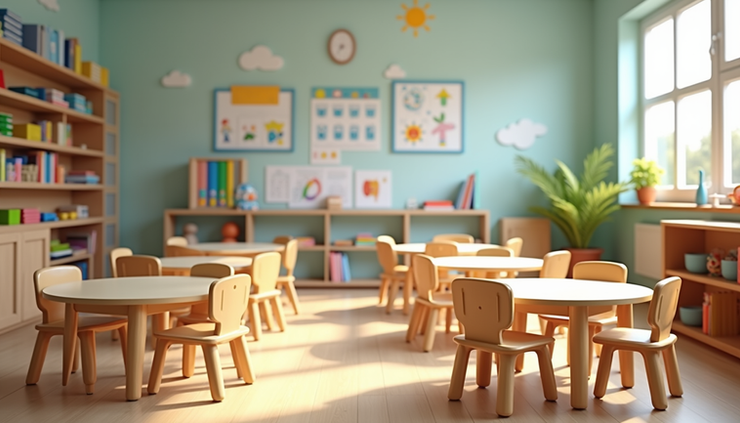
The physical environment plays a crucial role in a child’s preschool experience. A high-quality program provides a clean, safe space designed for young learners. Classrooms should be bright, organized, and filled with materials that invite curiosity.
Important features include:
Child-sized furniture and accessible learning materials
Areas for different types of play: quiet reading, active movement, creative arts
Outdoor play spaces that encourage physical activity and exploration
Safety measures such as secure entrances, clean surfaces, and well-maintained equipment
A cluttered or poorly maintained environment can hinder learning and pose safety risks. The space should feel welcoming and encourage children to engage independently and with peers.
Family Engagement and Communication
Strong preschool programs recognize families as partners in their child’s education. They keep parents informed about daily activities, progress, and any concerns. Programs that encourage family involvement help children feel supported both at school and at home.
Look for programs that:
Provide regular updates through newsletters, apps, or meetings
Invite parents to participate in classroom events or volunteer
Offer resources or workshops to support parenting and child development
Respect family cultures and values, incorporating diversity into the curriculum
Programs that isolate families or communicate poorly may miss opportunities to support children’s growth effectively.
Balanced Schedule with Flexibility
Young children benefit from a balanced daily schedule that includes a mix of structured activities and free play. High-quality preschools provide routines that help children feel secure but also allow flexibility to follow children’s interests and needs.
A good schedule includes:
Time for group activities and individual exploration
Opportunities for physical activity and rest
Snack and meal times that promote healthy habits
Transitions that are smooth and minimize stress
Avoid programs that are overly rigid or packed with nonstop activities, as these can overwhelm young children and reduce engagement.
Assessment and Individualized Support
Effective preschool programs regularly assess children’s development to tailor support and identify any concerns early. Assessment should be ongoing and based on observation rather than standardized tests.
Look for programs that:
Use developmentally appropriate tools to track progress
Share assessment results with families in understandable ways
Provide individualized support or referrals if needed
Celebrate each child’s unique strengths and milestones
Programs that do not monitor progress or fail to address individual needs may miss critical opportunities to help children succeed.
Common Pitfalls to Avoid
When evaluating preschool programs, watch out for these red flags:
Overemphasis on academics at the expense of play and social development
Large class sizes that limit individual attention
Inexperienced or untrained staff
Poor communication with families
Unsafe or poorly maintained facilities
Lack of diversity and inclusion in curriculum and staff
Inflexible schedules that do not respect children’s rhythms
Choosing a preschool is a big decision. Taking the time to visit programs, ask questions, and observe classrooms can help you avoid these pitfalls.
Final Thoughts on Choosing the Right Preschool
A high-quality preschool program supports children’s growth in multiple areas through a thoughtful curriculum, skilled educators, and a safe, engaging environment. It values family partnerships and adapts to each child’s needs. By knowing what to look for and what to avoid, parents can make informed choices that give their children a strong start in learning and life.
Ready to find the right preschool for your child?
👉 Schedule your personalized tour today


Comments